
Wildlife Safaris in Sri Lanka: A Guide to the Best National Parks
Leopards, elephants, sloth bears and more. Here's our guide to Sri Lanka's best national parks for a wildlife safari, what you can…
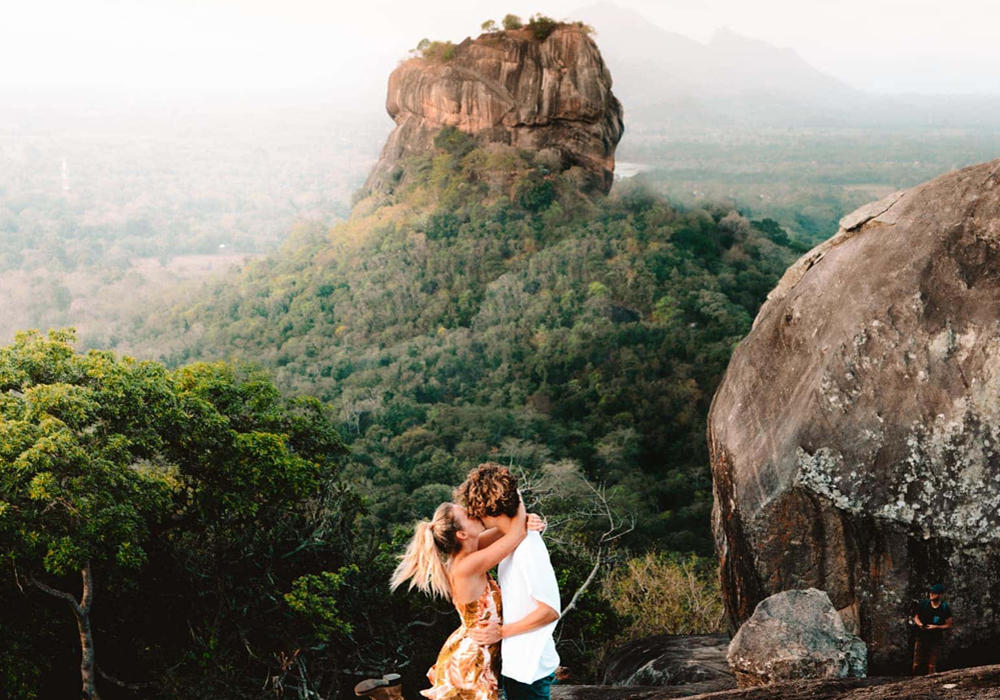
Sri Lanka packs an extraordinary amount into one small island: ancient kingdoms, misty tea country, wildlife safaris and golden beaches, often just a few hours apart. Whether you’re planning your first visit or your fifth, these are the ten places we recommend most to our guests.
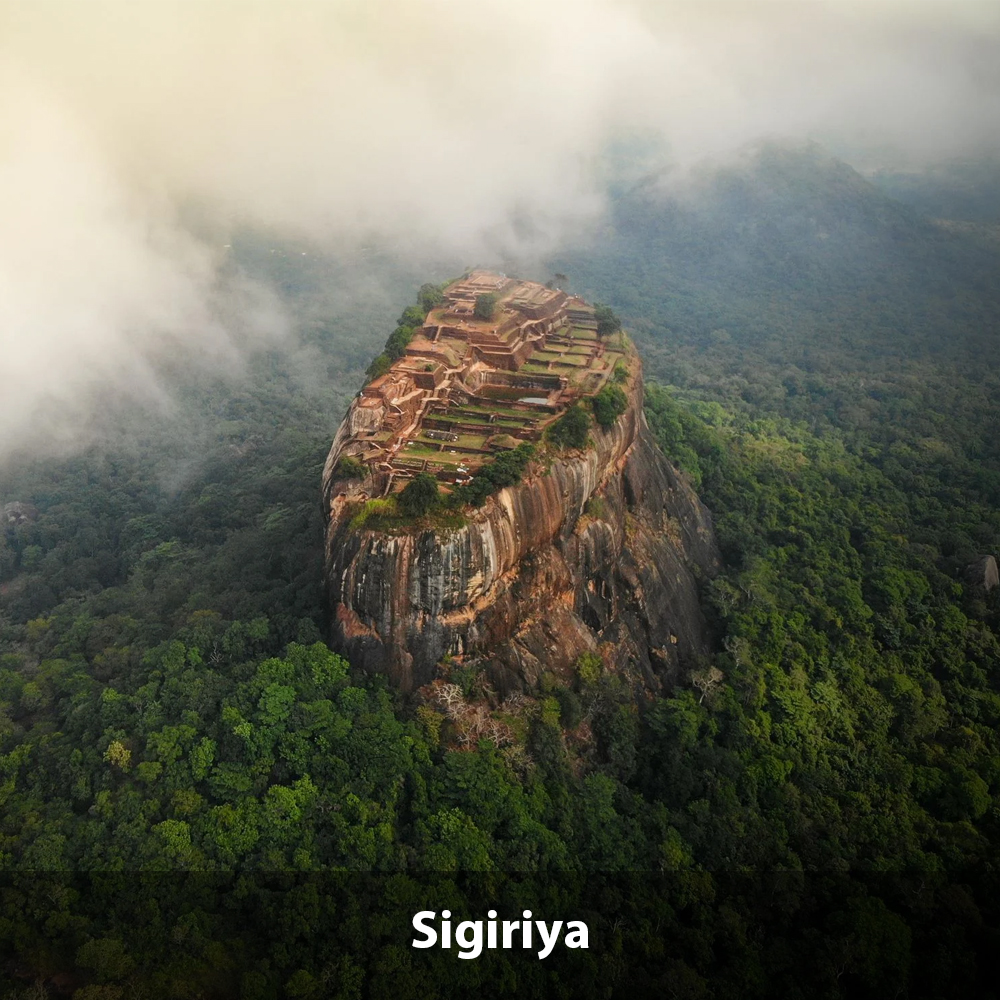
Rising about 200 metres above the surrounding jungle, Sigiriya is a 5th-century rock fortress built by King Kashyapa and a UNESCO World Heritage Site. Climb past the famous frescoes and the giant lion’s paws to reach the palace ruins on the summit, with sweeping views over the Cultural Triangle.
Tip: Start the climb early in the morning to avoid the midday heat and crowds. For a sunrise view of Sigiriya itself, hike nearby Pidurangala Rock.
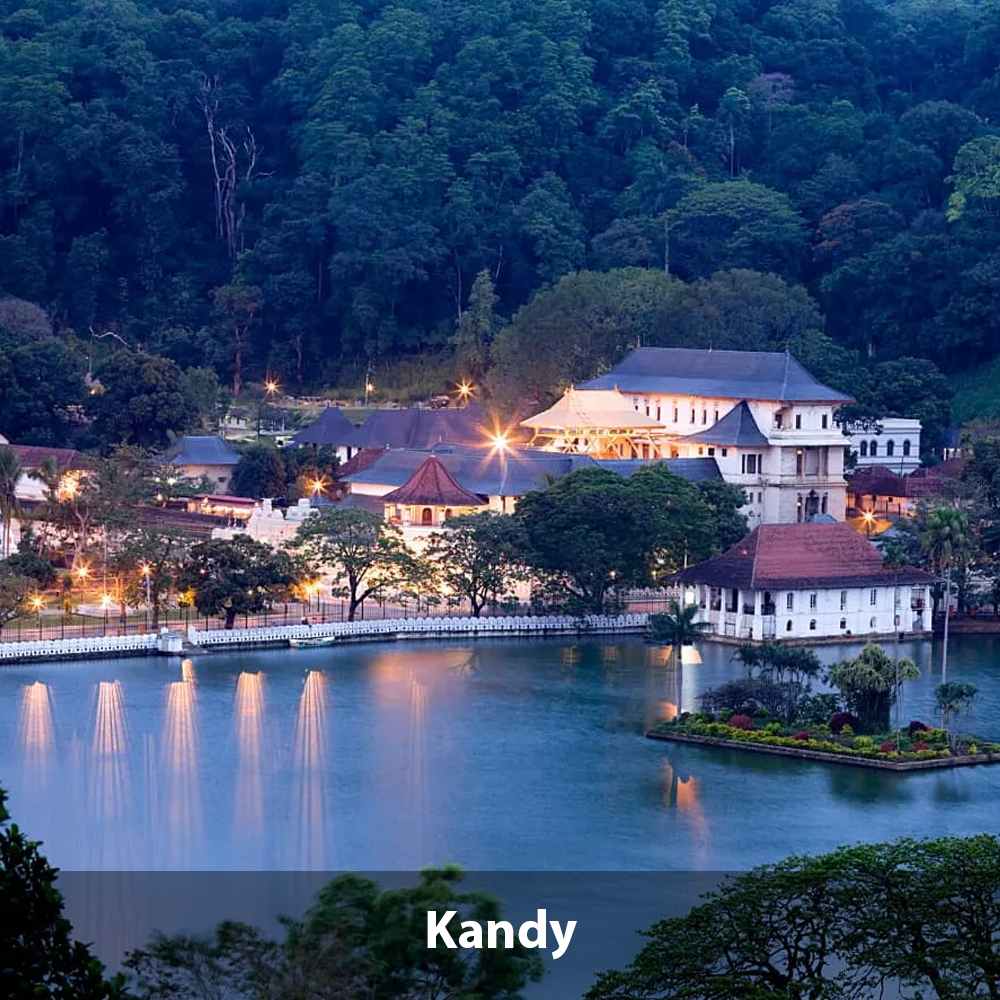
Kandy was the last royal capital of Sri Lanka’s kings and is home to the Temple of the Sacred Tooth Relic (Sri Dalada Maligawa), one of the most important Buddhist sites in the world. Stroll around Kandy Lake, visit the Royal Botanical Gardens in Peradeniya, and catch a traditional Kandyan dance performance in the evening.
Tip: If you travel in July or August, look out for the Esala Perahera, a spectacular procession of dancers, drummers and decorated elephants.
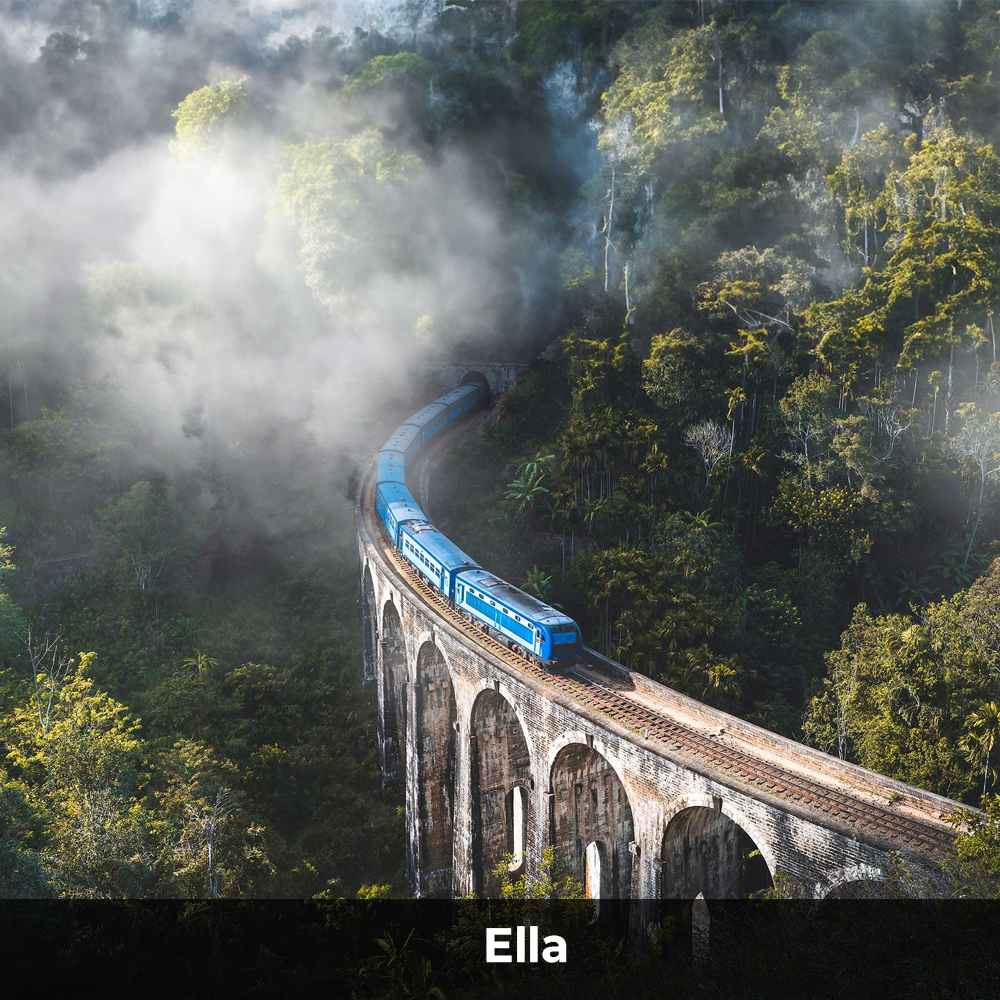
This laid-back mountain village is surrounded by tea estates, waterfalls and hiking trails. Walk up Little Adam’s Peak or Ella Rock for panoramic views, and watch the blue train cross the iconic Nine Arches Bridge.
Tip: The train journey between Kandy (or Nuwara Eliya) and Ella is one of the most scenic rail rides in the world. Book reserved seats well in advance during peak season.
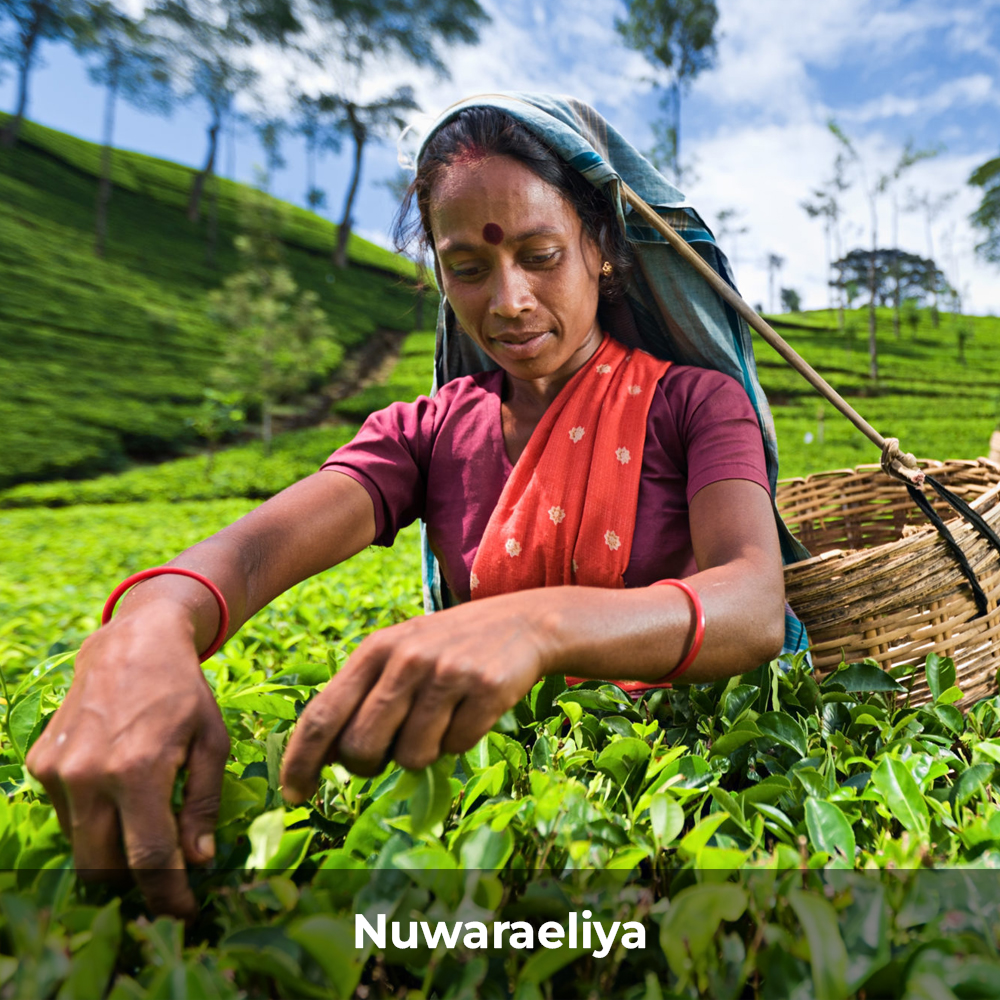
Set at around 1,900 metres, Nuwara Eliya is cool, green and full of colonial-era charm. Tour a working tea factory, wander around Gregory Lake, and take an early-morning trek across the grasslands of Horton Plains National Park to World’s End.
Tip: Bring a warm layer. Evenings and early mornings in the hills can be surprisingly chilly.
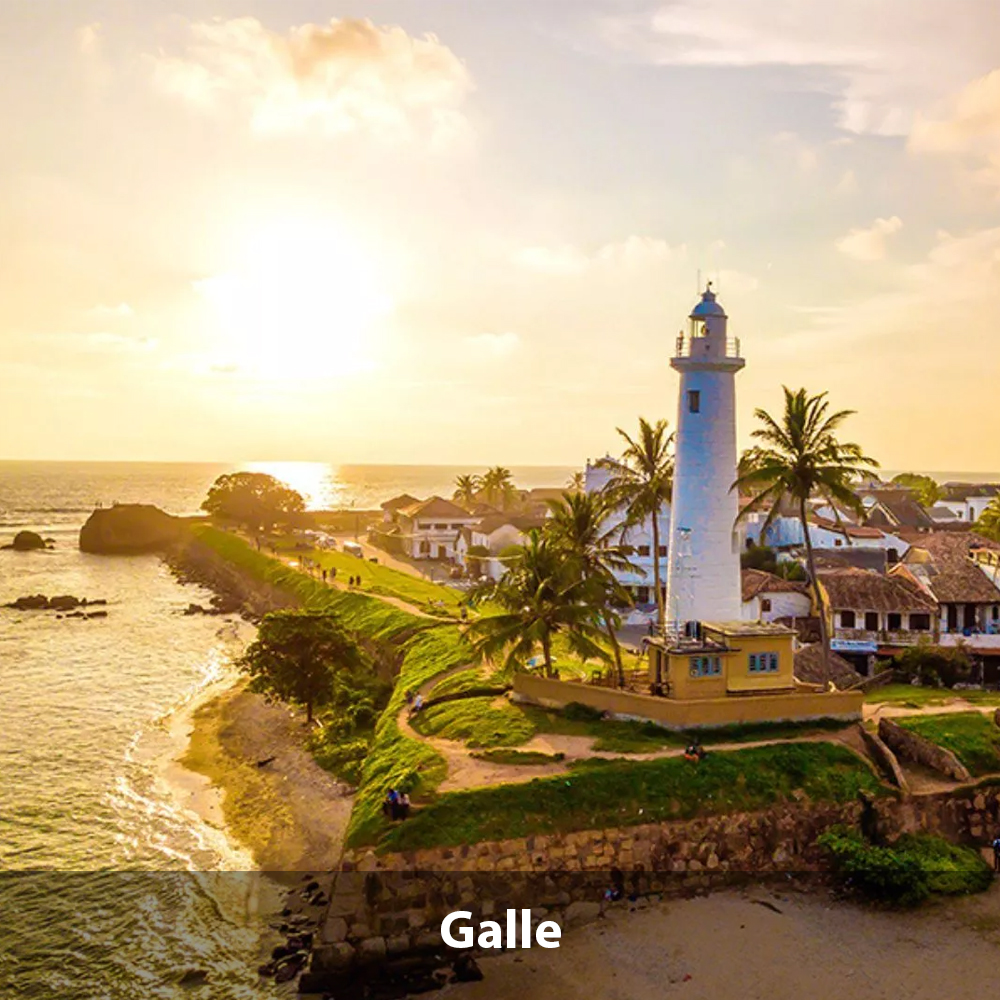
Built by the Portuguese and later fortified by the Dutch, Galle Fort is a UNESCO-listed walled town on the southern coast. Its cobbled streets are lined with boutiques, cafés, galleries and old churches, and the ramparts are perfect for a sunset walk.
Tip: Combine Galle with nearby beaches such as Unawatuna for a relaxed couple of days on the south coast.
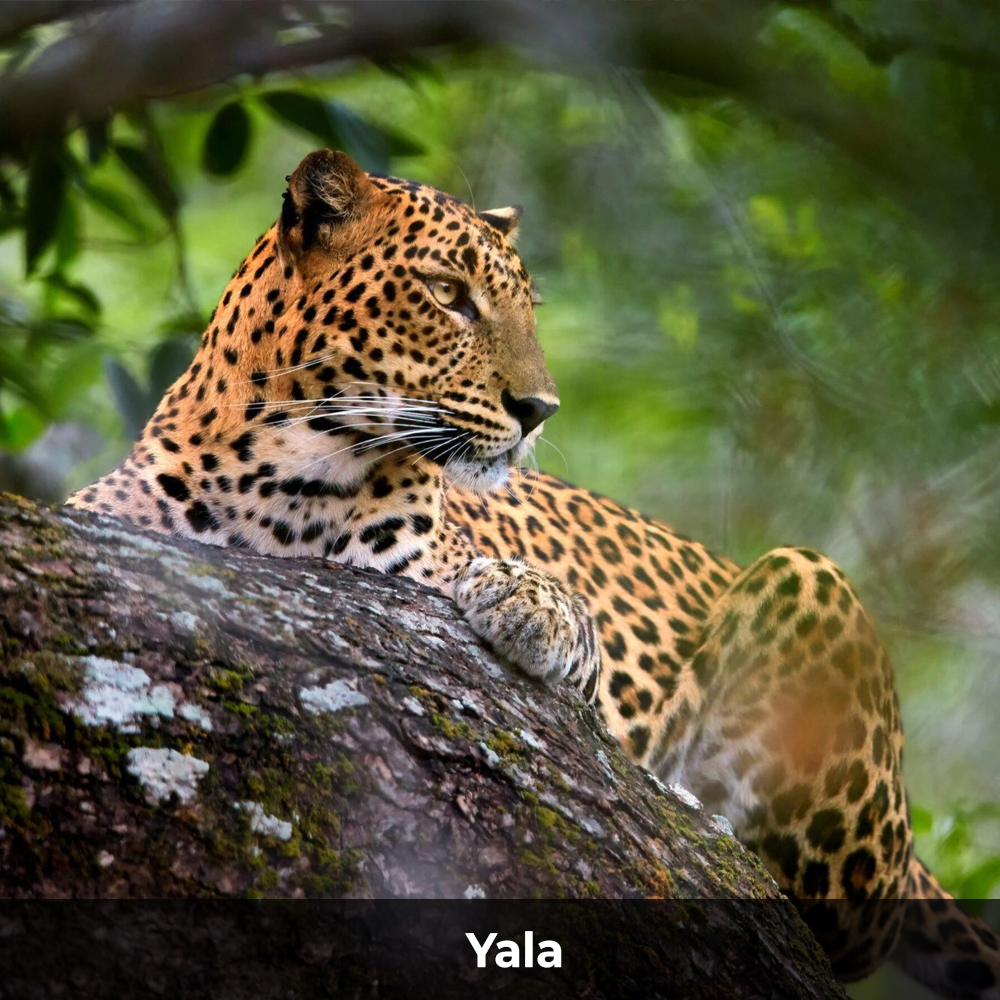
Yala is Sri Lanka’s most famous national park and has one of the highest leopard densities in the world. On a jeep safari you may also spot elephants, sloth bears, crocodiles, water buffalo and a huge variety of birds.
Tip: Early-morning safaris give you the best chance of seeing wildlife. Parts of the park usually close for a period during the dry season, so check before you plan.
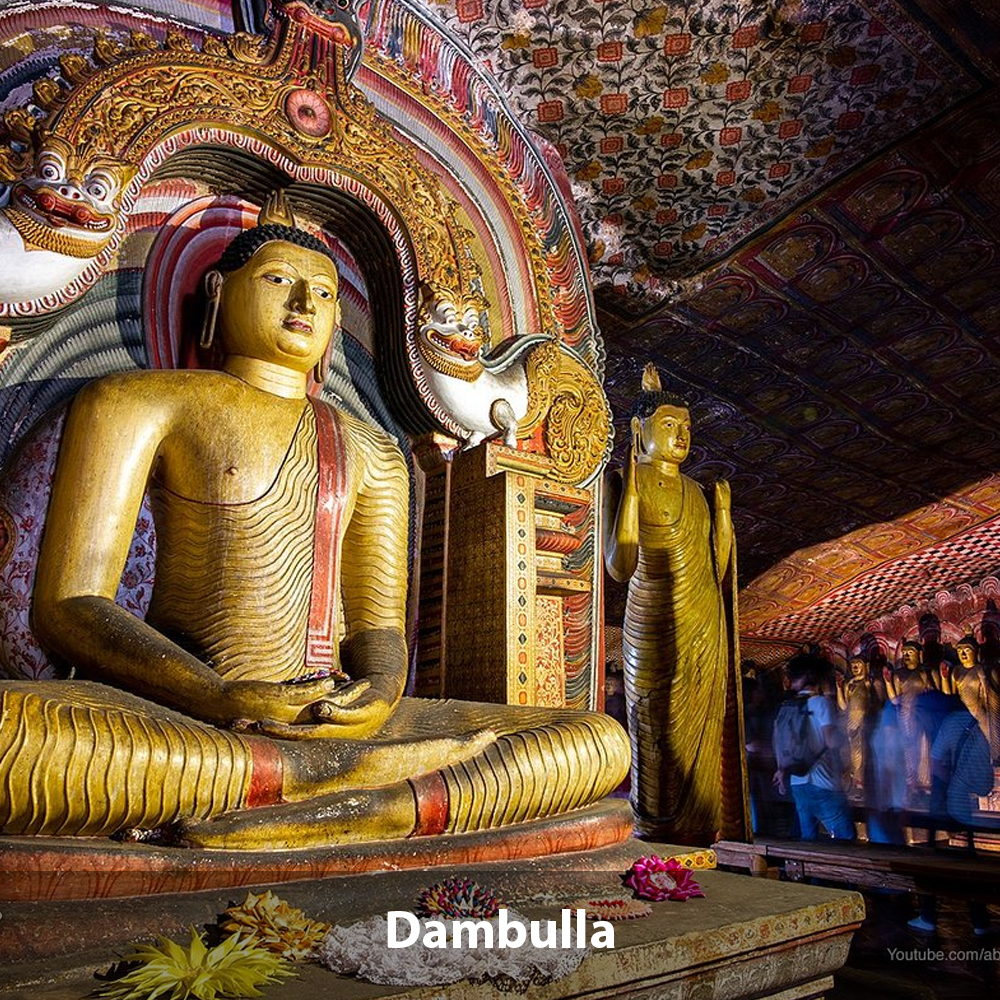
The Dambulla cave complex holds five caves filled with Buddha statues and richly painted ceilings, some dating back more than 2,000 years. It is another UNESCO World Heritage Site and sits just a short drive from Sigiriya.
Tip: Dress modestly with shoulders and knees covered, and be ready to remove your shoes and hat before entering.
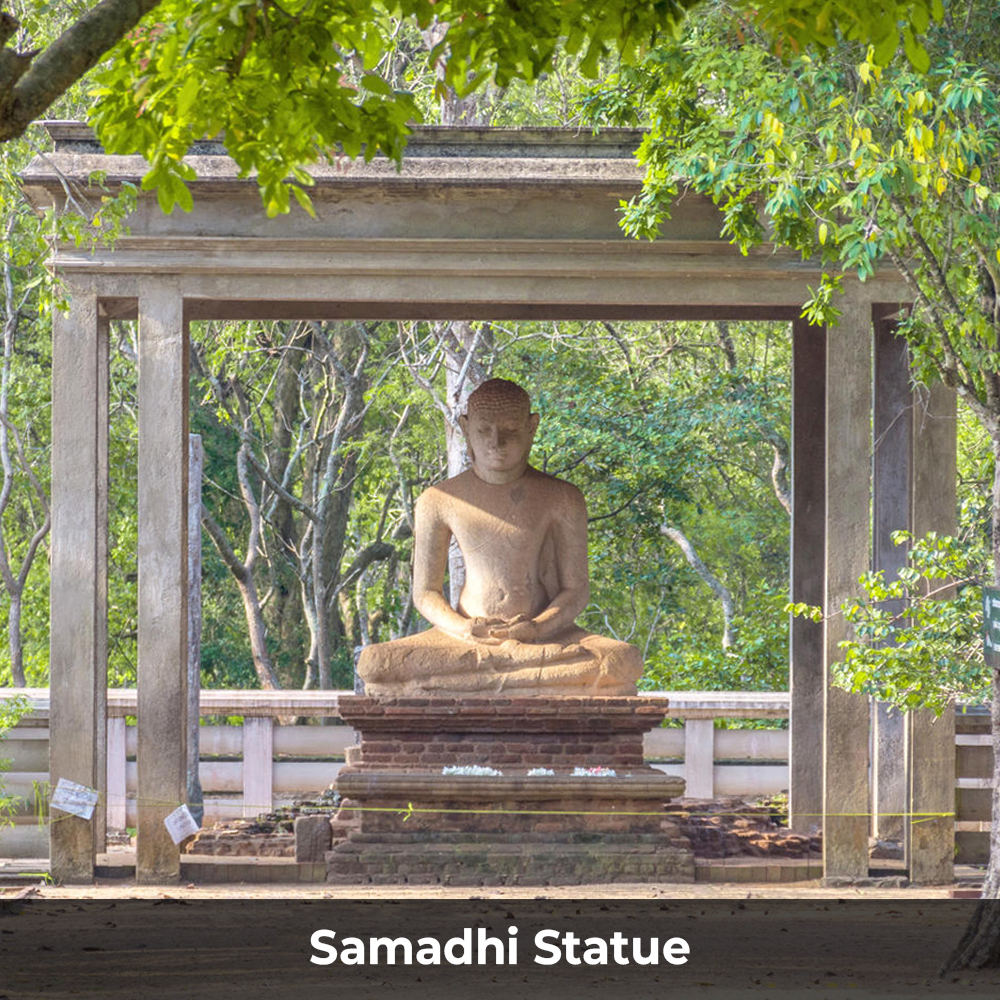
Sri Lanka’s first great capital flourished for more than a thousand years. Today you can explore enormous stupas such as Ruwanwelisaya and Jetavanaramaya, and visit the sacred Sri Maha Bodhi, a fig tree believed to have grown from a cutting of the tree under which the Buddha attained enlightenment.
Tip: The sites are spread out, so renting a bicycle or hiring a tuk-tuk for the day is the best way to get around.
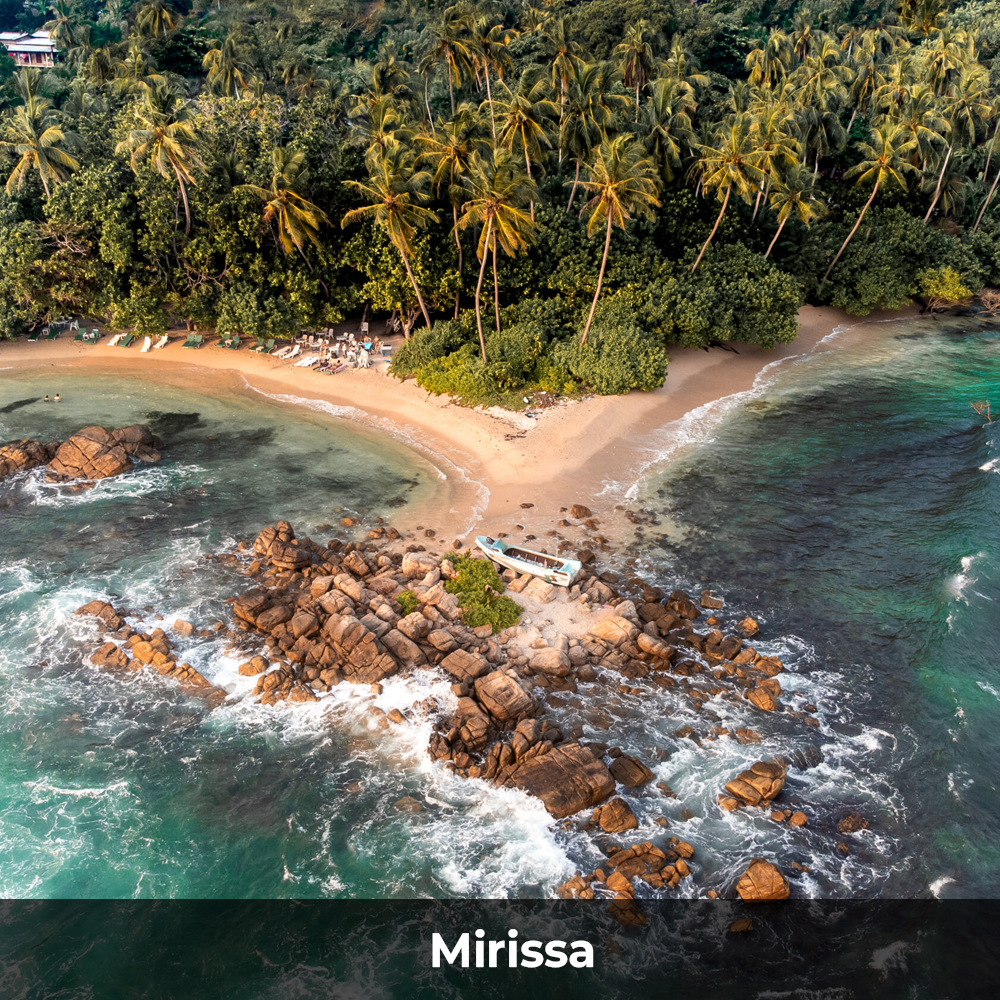
Mirissa is a palm-fringed beach town on the south coast, known for its relaxed vibe, fresh seafood and some of the best whale watching in the world. Blue whales, sperm whales and dolphins are regularly seen offshore.
Tip: The main whale-watching season on the south coast runs roughly from November to April, when the sea is calmer.
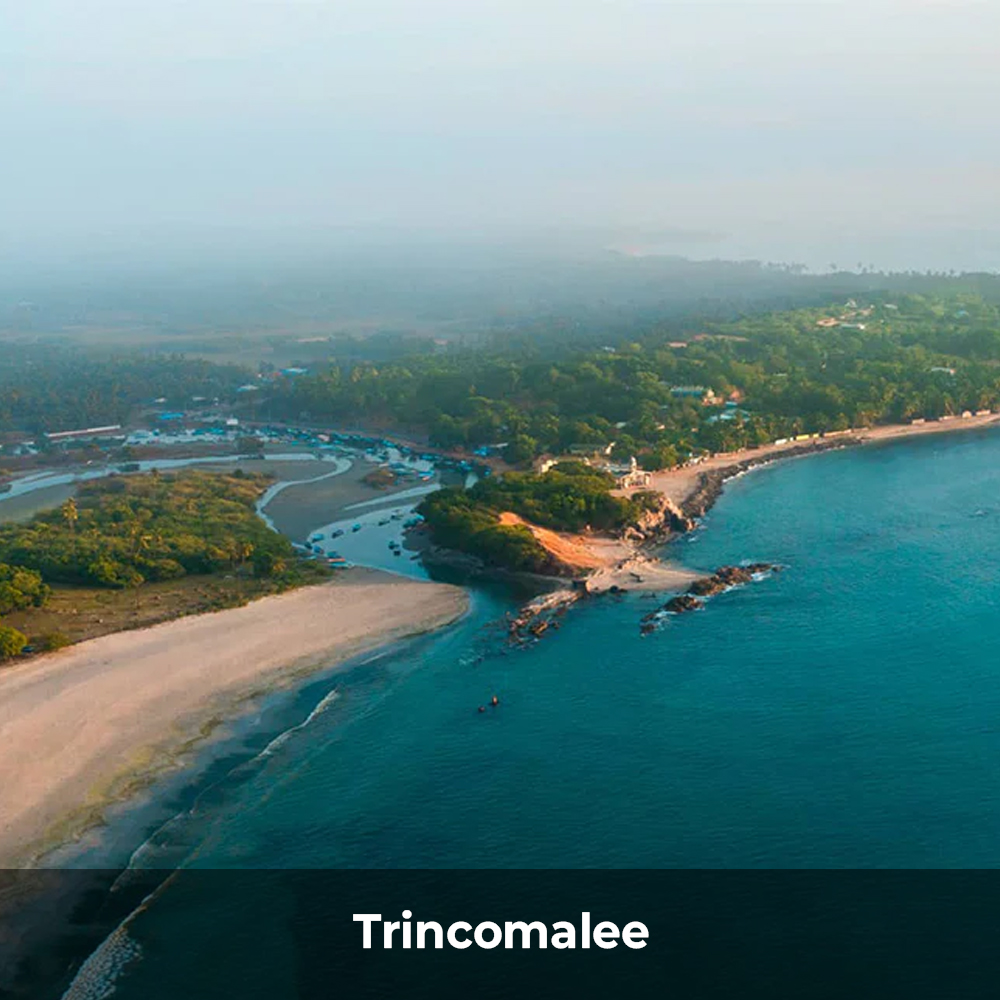
Trincomalee has one of the finest natural harbours in the world, beautiful beaches at Nilaveli and Uppuveli, and the clifftop Koneswaram Temple. Just offshore, Pigeon Island National Park offers excellent snorkelling among coral and reef sharks.
Tip: The east coast has the opposite weather pattern to the south and west, so it is at its best from about May to September.
Because the island has two monsoon seasons, there’s always somewhere in Sri Lanka with good weather. A well-planned route lets you combine culture, hill country, wildlife and beaches in a single trip. Get in touch with our team, and we’ll create a tailor-made itinerary that covers the places you want to see, at the right time of year.
← Back to Blog Story
Leopards, elephants, sloth bears and more. Here's our guide to Sri Lanka's best national parks for a wildlife safari, what you can…
 Story
Pack your bags and grab your sunglasses! The travel landscape between Australia and Sri Lanka has just changed. At L S L…
Browse our itineraries or tell us what you'd like to see.